The "best" way depends almost entirely on your specific material and the desired final output for recycling or disposal.
While the terms "shredder" and "crusher" are sometimes used loosely, in industrial processing they refer to different machines with different actions and results. As a leading manufacturer, XINYI MACHINERY would typically recommend the following based on your needs:
Core Difference: Tearing vs. Crushing
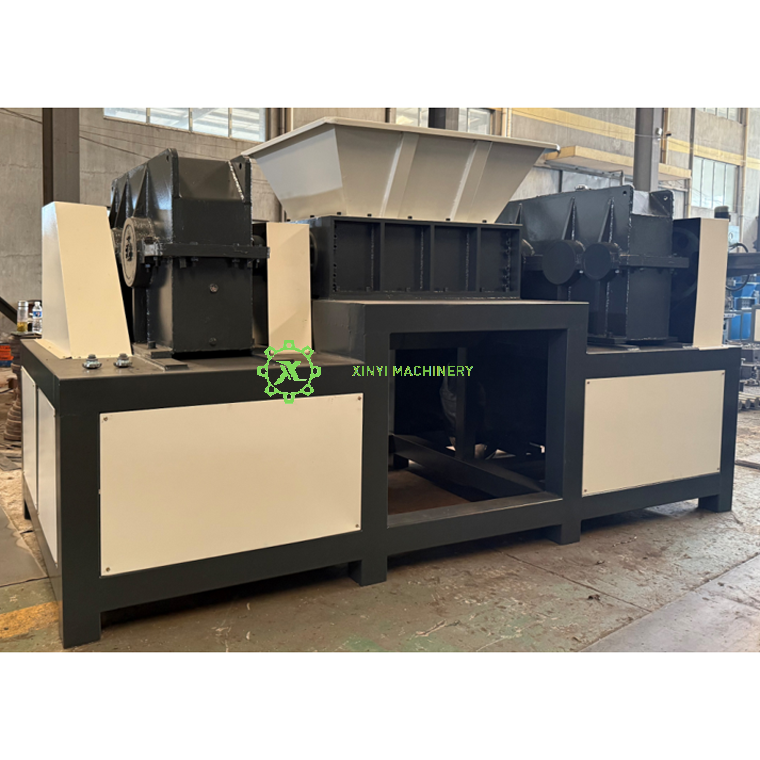
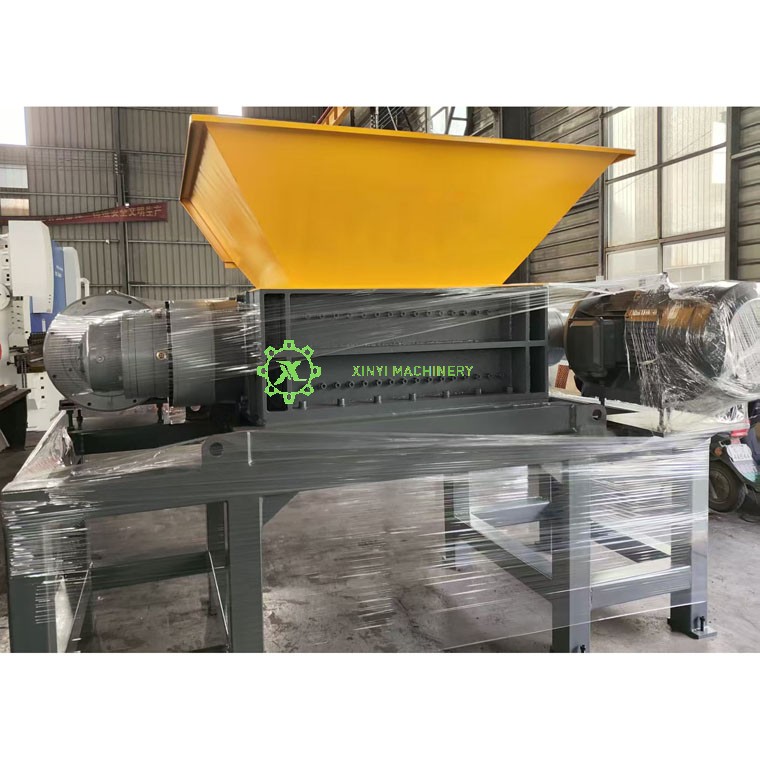
Feature | Shredder (Slow-Speed, High-Torque) | Crusher ( High-Speed) |
Mechanism | Uses rotating shafts with hooked teeth to shear, tear, and rip material apart. | Uses rotating knives (rotor and stator) to chop, cut, and slice material. |
Speed | Slow RPM, high torque. | High RPM, lower torque. |
Output Size | Larger, irregular strips/chunks (20mm-100mm+). Controllable by screen size. | Smaller, uniform granules/flakes (3mm-20mm). Controllable by screen size. |
Noise/Dust | Generally lower noise and dust. | Can be noisier and generate more dust. |
Energy | Higher energy consumption per kg, but good for tough materials. | Generally more energy-efficient for pre-broken or brittle materials. |
Typical Use | Size reduction of large, bulky, tangled, or irregular items. | Fine grinding of pre-shredded material or small, consistent feedstocks. |
How to Choose: The Best Way for Your Plastic
Here’s a decision framework, aligning with XINYI MACHINERY's product expertise:
1. Choose a SHREDDER if you have:
· Bulky Items: Large plastic drums, containers, purgings, or thick plastic blocks.
· Tangled/Bale Materials: Bales of plastic bottles, woven bags, or tangled film.
· Mixed Waste Streams: Where metals or other contaminants might be present (shredders are more robust).
· Long/Fibrous Materials: Pipes, hoses, or large plastic films where pre-cutting is essential before fine grinding.
· Goal: To reduce volume for transport, or to prepare material for a secondary granulation process.
Example from XINYI's Line: Their PE Pipe Shredders and Waste Film Shredders are classic examples. A pipe needs to be torn into small pieces before it can be efficiently granulated into clean pellets.
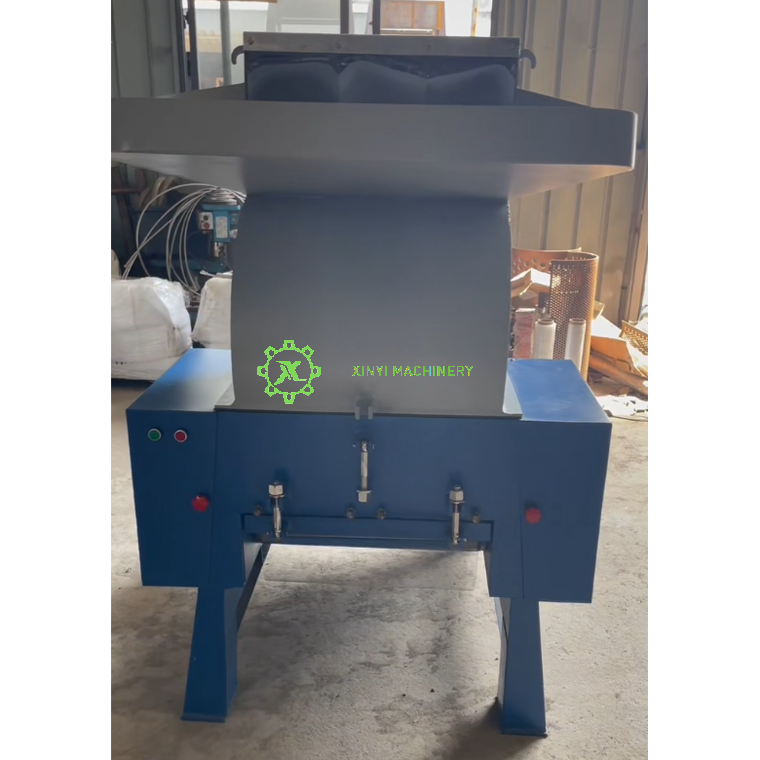
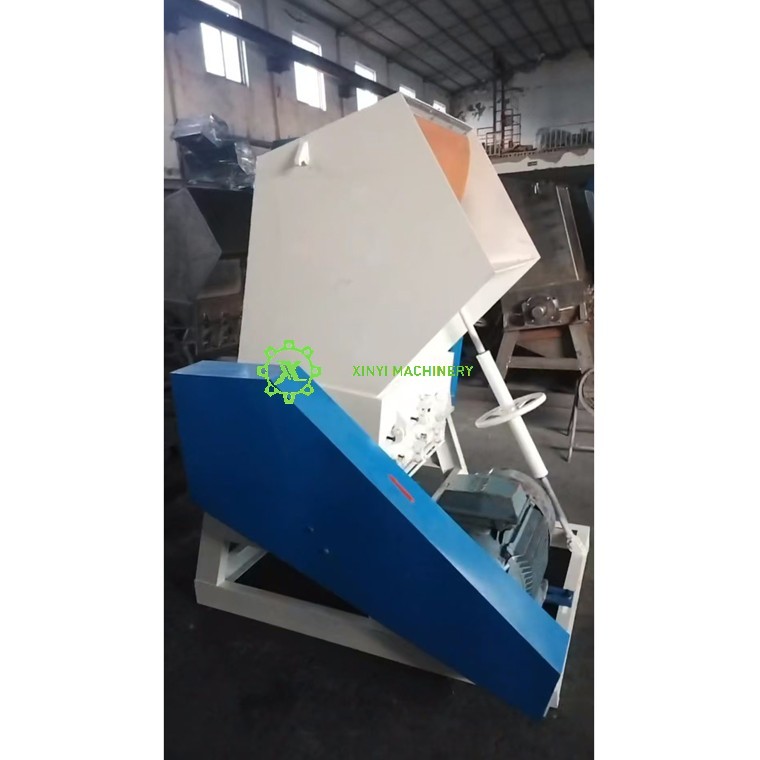
2. Choose a CRUSHER/GRANULATOR if you have:
· Consistent, Pre-Broken Feedstock: Already shredded plastic, sprues/runners from injection molding, or consistently sized bottles.
· Goal of Uniform Flakes: For washing lines or direct pelletizing, where uniform flake size is critical for washing, drying, and melting.
· Brittle or Rigid Materials: Like PET bottles, PVC profiles, or ABS/PS sheets.
· In-Line Processing: Mounted directly under a machine (e.g., beside an injection molding press).
Example from XINYI's Line: Their PET Bottle Crusher or Waste Plastic Crusher are designed to take pre-sorted, washed bottles or plastic lumps and turn them into clean, uniform flakes for the next recycling stage.
The Optimal Industrial Solution: A Two-Stage System
For most large-scale plastic recycling plants, the best way is a combination of both:
1. Primary Shredding: A heavy-duty shredder (like XINYI's waste pipe or film shredder) breaks down large, mixed, or tough waste into manageable chunks.
2. Secondary Granulating/Crushing: A crusher/granulator (like XINYI's PET or plastic crusher) then processes these chunks into clean, uniform flakes ready for washing, extrusion, and pelletizing.
This system maximizes efficiency, protects the more sensitive granulator from damage, and produces the highest quality recyclate.
Conclusion & Recommendation from XINYI's Perspective
As an expert supplier, XINYI MACHINERY would not simply recommend one over the other. They would ask:
1. What is your input material? (Type, shape, size, contamination level)
2. What is your desired output size and shape?
3. What is your downstream process? (Washing, pelletizing, direct sale of flakes?)
Final Advice:
· For large, mixed, or tough waste: Start with a shredder.
· For pre-sized, clean, or brittle materials aiming for uniform flakes: Use a crusher/granulator.
· For a full recycling line: Invest in a two-stage system (shredder + crusher).
The most reliable approach is to provide XINYI MACHINERY with samples of your plastic waste and your production goals. They can then test the material and recommend the optimal machine or system configuration from their range of shredders and crushers.